


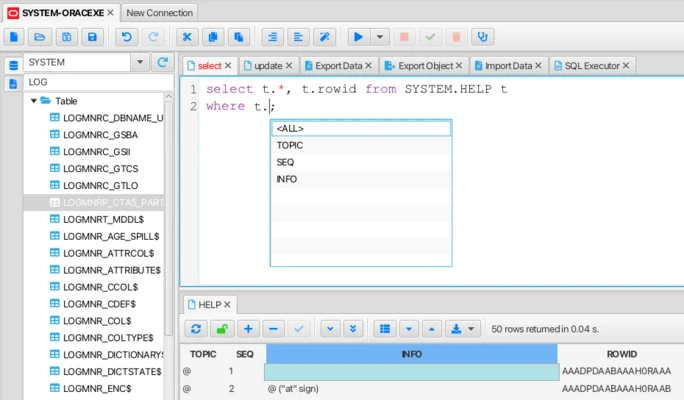
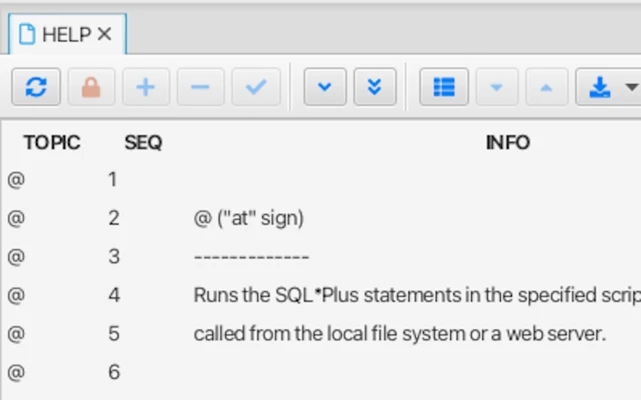
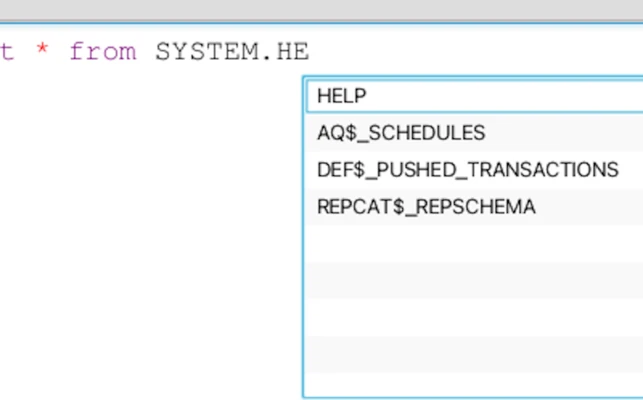
SQLite 64bit is a lightweight, self-contained, and high-performance database engine for Windows that does not require a separate server or complex configuration.
Unlike traditional database systems such as MySQL or PostgreSQL, SQLite stores the entire database in a single file, making it ideal for desktop applications, mobile apps, embedded systems, and local data storage.
With full SQL support, ACID transactions, and cross-platform compatibility, SQLite provides developers with a simple and reliable database solution.
Features and Highlights
- Serverless and zero-configuration database engine
- Single-file database storage for easy portability
- Full SQL support including queries, joins, triggers, and indexes
- ACID-compliant transactions for data reliability
- Lightweight and fast performance
- Supports Windows, macOS, Linux, and mobile platforms
- Small storage footprint with minimal system requirements
- Reliable solution for embedded applications
- Open-source and free for commercial use
How to Use
- Download and extract the SQLite 64-bit package.
- Run sqlite3.exe to open the command-line interface.
- Create a new database file using SQL commands.
- Create tables and manage data with standard SQL syntax.
- Use SQLite tools such as DB Browser for SQLite for graphical management.
System Requirements
- Operating System: Windows 7, 8, 10, 11 (64-bit)
- Processor: Intel or AMD x64 CPU
- RAM: 512MB minimum
- Storage: A few MB of free disk space
PROS
- Lightweight and extremely fast
- No database server required
- Easy deployment and portability
- Supports standard SQL features
- Completely free and open-source
CONS
- Not designed for large-scale multi-user applications
- Limited concurrent write performance
- No built-in user authentication system
- Requires third-party tools for GUI management
Conclusion
SQLite 64bit is an excellent database engine for developers who need a simple, fast, and portable storage solution.
Its serverless architecture and minimal configuration make it widely used in desktop software, mobile applications, and embedded devices. While it is not a replacement for enterprise database systems, SQLite remains one of the most popular choices for lightweight database requirements.